Allow Me to Reintroduce Myself: Jay-Z and the Cultural Bullseye

Reasonable Doubt
It starts on a random June morning. You log onto social media, and your feed is instantly hit with a wave of familiar, context-free outrage:
“Jay-Z is a sellout.” “Jay-Z doesn’t care about Black people.”
There are no images attached, no links to a news source, and no breakdown of the facts. Just a visceral, immediate condemnation. You scroll a little further, and the algorithm—sensing your curiosity—feeds you a post from a close friend, not a gossip blog: “I’m starting to think Jay-Z hates Black people.” Finally, buried deep in the comment section, someone drops a single, matter-of-fact sentence explaining the digital uproar: “Doing business with Target.” A quick search reveals the actual catalyst: the announcement of an all-white vinyl 30th Anniversary Edition release of his foundational debut album, Reasonable Doubt, distributed exclusively through Target.
Seven years after his controversial NFL partnership, it is the exact same reaction. The same accusations. The same profound sense of collective disappointment. Once again, the dominant narrative becomes “he’s only interested in lining his own pockets.” But if we look past the knee-jerk online commentary, a deeper, far more psychologically compelling question emerges: Why does Jay-Z continuously become the involuntary symbolic face of economic and systemic movements he did not organize? This article explores the psychological phenomenon of the Representative Burden—the unconscious habit within our communities of appointing high-profile cultural figures as moral ambassadors of systemic resistance, inflating behavioral expectations to an impossible standard, while completely ignoring the actual corporate decision-makers operating behind the scenes.
II. Public Service Announcement
Let’s look at what happened with Target. Promises were made by the corporation regarding diversity initiatives, and then they were retracted. In response, grassroots organizers like Dr. Nekima Levy Armstrong, Monique Cullars-Doty, and Jaylani Hussein initiated a boycott. National public figures like Tamika Mallory and Pastor Jamal Bryant became faces of the movement, with Pastor Bryant branding what he called “the 40-day Target fast.”
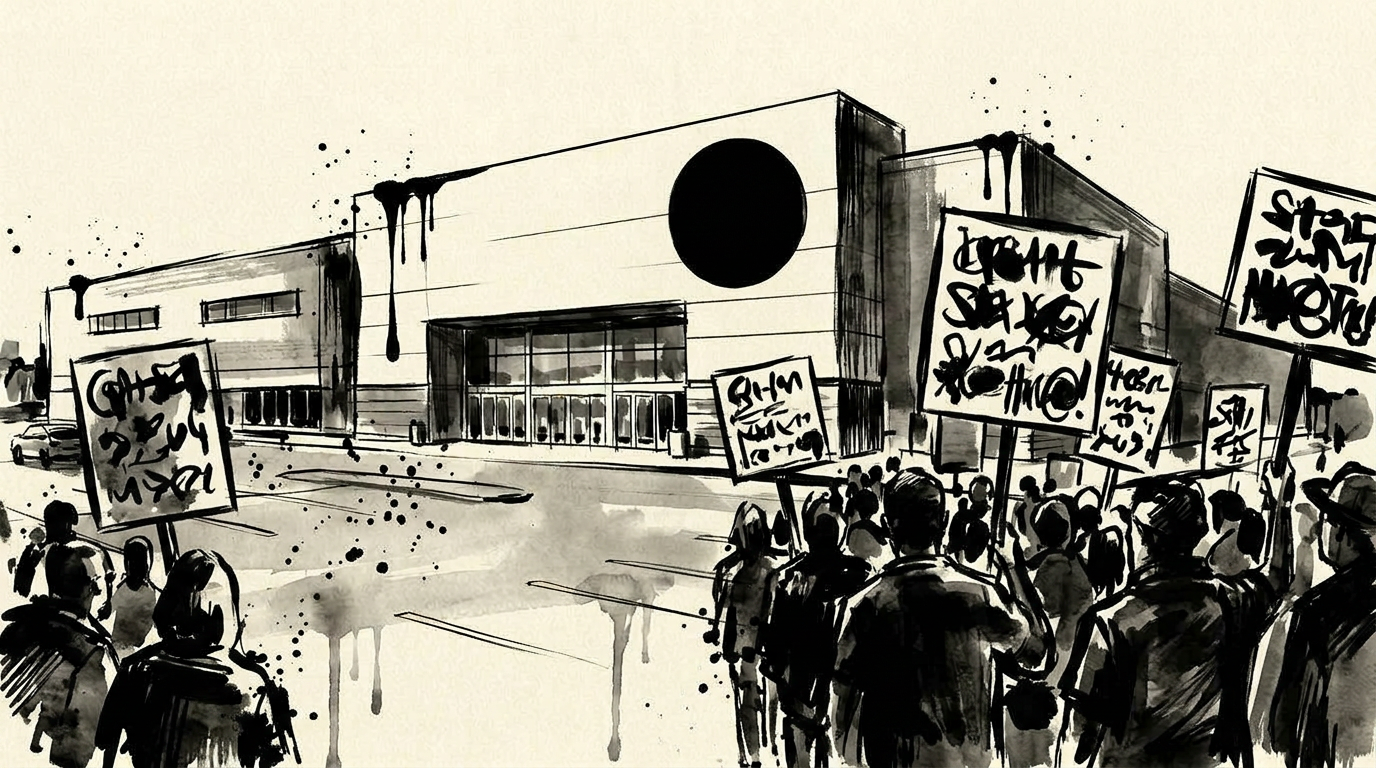
Churches participated. Consumers were on board. Target’s revenue decreased because of the collective pressure. And even after Pastor Bryant announced that the formal fast was concluded, many consumers overrode that decision and made a personal choice to continue boycotting the retailer permanently. Whether the community agreed with the timeline or the execution, the movement already possessed distinct public leadership. It was not waiting for an individual independent artist to define its direction.
So how did a national conversation regarding corporate equity suddenly contract into a referendum on one rapper’s vinyl distribution deal? How did this immense representative burden fall squarely into his lap?
The answer lies in Expectation Inflation. When the economic protest began, there were no preemptive parameters established regarding music distribution. No one issued a collective mandate stating, “If a major retail corporation approaches an independent artist for a classic vinyl pressing, it must be rejected as an act of solidarity.” Instead, the moral expectation was assigned retroactively the absolute second the deal was made public. Because of whom Jay-Z is, we look at the opportunity and decide he should have known to “do the right thing,” even when that right thing was completely unmapped.
Furthermore, this hyper-focus exposes a distinct double standard driven by psychological proximity. We have a deeply intimate, thirty-year relationship with Jay-Z’s identity and catalog. It is far less daunting to debate the morality of a legendary rapper’s business moves on our social media timelines than it is to look at the massive, opaque C-suite architecture of a multi-billion-dollar corporation like Target.
When the boycott began, we didn’t call for Tabitha Brown to end her massive lifestyle distribution contracts. We didn’t ask Black-owned beauty brands like The Lip Bar, or household coffee brands like Blk & Bold, to pull their life’s work from retail shelves. We didn’t ask everyday Black retail employees to walk out or resign.
Instead, the culture unconsciously gives the rest of the ecosystem—and us—a psychological pass to navigate the corporate landscape, while forcing one man to bear the entire moral weight of our collective frustrations. Jay-Z never volunteered to become the moral ambassador of the Black economic protest, yet he is evaluated as though he did.
III. The Blueprint
The modern blueprint for this corporate backlash—and our tendency to substitute an individual for an institution—was fully drawn during the 2019 fallout over Jay-Z’s partnership with the National Football League (NFL).
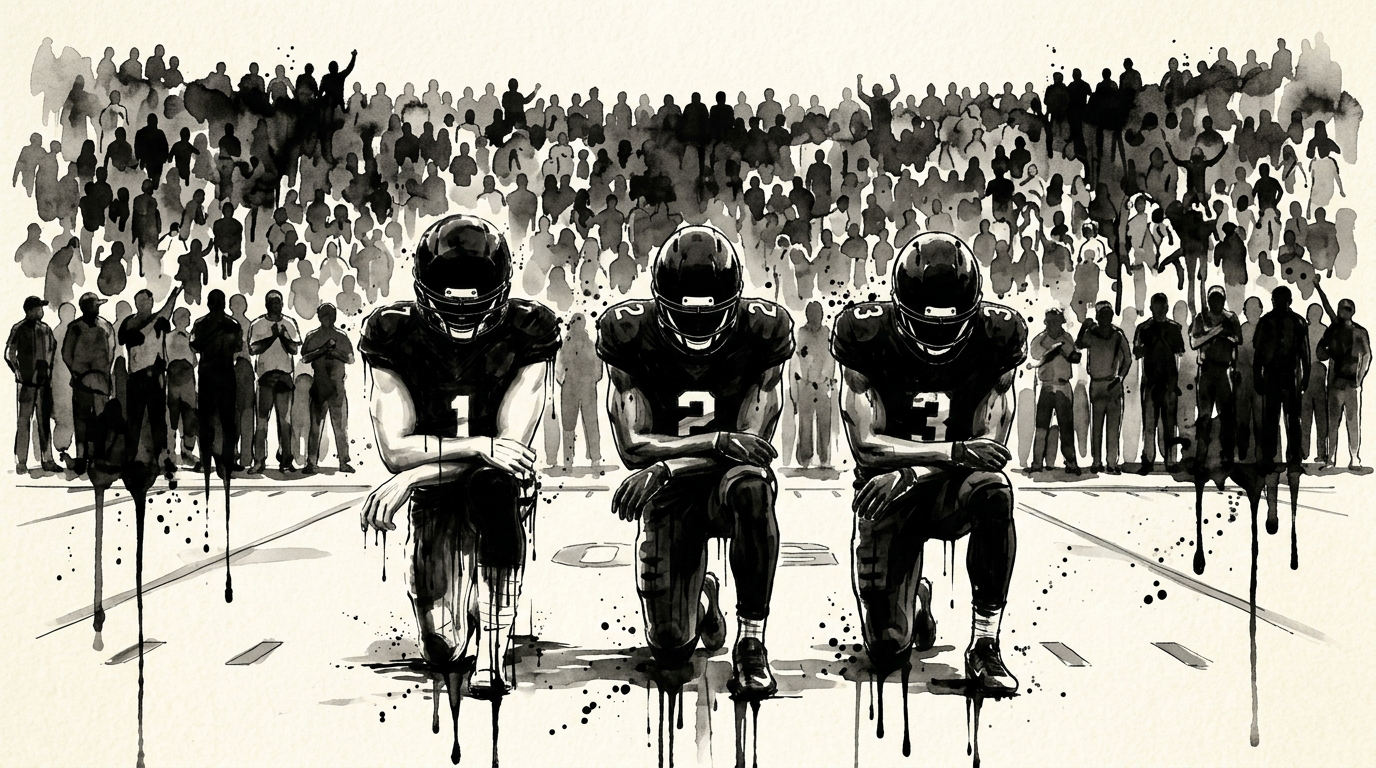
In 2016, Colin Kaepernick began kneeling during the National Anthem to protest racial injustice and police brutality, setting off a massive cultural reckoning. By 2019, when the NFL brought in Roc Nation to direct its live entertainment and steer its Inspire Change social justice initiatives, public expectation had inflated wildly. When Jay-Z famously remarked, “I think we’ve passed kneeling,” the reaction was swift, visceral, and permanent: he was labeled a corporate sellout who single-handedly derailed a movement.
But when we analyze this reaction through the lens of performance psychology, a glaring disconnect emerges regarding where the moral burden was placed. While Jay-Z absorbed the absolute maximum amount of public outrage, the macro-system itself never actually stopped moving:
The On-Field Labor: Hundreds of Black athletes—many of whom deeply and publicly supported Kaepernick’s message—continued to take the field every single week. They honored their multi-million dollar contracts, advanced their careers, and put their bodies on the line to fuel the league’s bottom line.
The Structural Machinery: Black coaches, coordinators, and corporate personnel remained within the front offices, working to advance within the system rather than tearing it down from the outside.
The Cultural Consumers: Millions of Black fans continued to tune in every Sunday, buy official merchandise, and manage their fantasy leagues, directly financing the very corporate machinery they critiqued.
None of these individual groups were widely expected to quit their jobs or boycott their favorite pastime as an absolute moral obligation. Instead, the collective consciousness found a psychological loophole: it is much easier to project the entire moral weight of a structural protest onto a singular, high-profile individual than it is to completely detach ourselves from a complex system that we love. By appointing Jay-Z as the symbolic custodian of resistance, the culture gave itself permission to keep participating in the system while letting one man bear the burden of its contradictions.
IV. Most Kingz
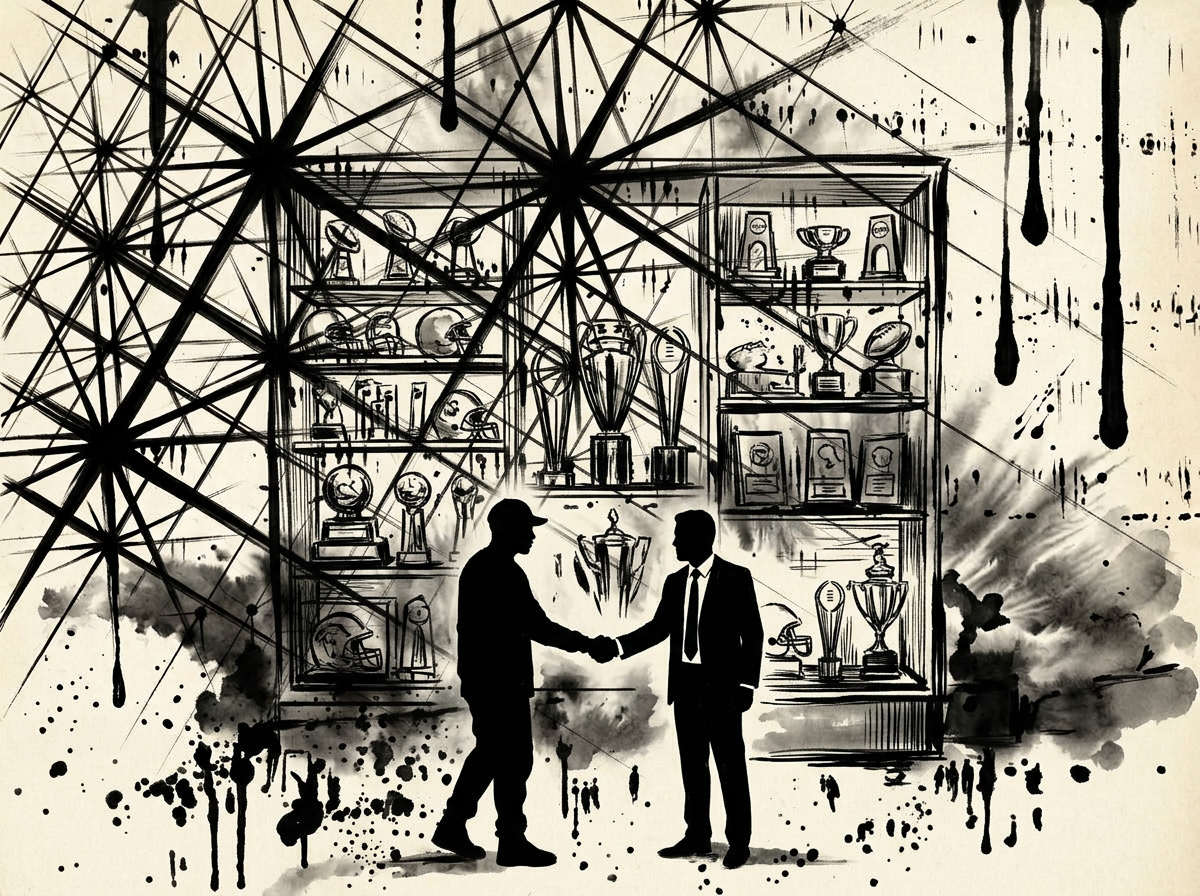
To understand why the culture isolates and attacks Jay-Z while letting the rest of the retail ecosystem pass without scrutiny, we must look at the psychological tax of the cultural crown. His unreleased track “Most Kingz” opens with a warning that doubles as a definition: stardom itself is what makes you a target.
The double meaning is glaring. Because of our deep proximity to Jay-Z, the community unconsciously builds a savior complex around him, turning his enterprise into a cultural bullseye. We celebrated him building an independent empire from the ground up, effectively crowning him a monarch of Black enterprise. But that coronation comes with a hidden clause—the track warns that the same leverage used to elevate you is the leverage eventually used against you.
This is the definitive psychological framework for the Target backlash. The exact same independent corporate leverage that the culture praised him for acquiring is the weapon used to execute him when he uses it. The moment he executes a standard, time-sensitive business transaction—like the exclusive white vinyl drop of Reasonable Doubt—the narrative flips from savior to traitor. The “Jesus” phase evaporates, and the timeline demands a crucifixion. The track maps this exact pattern onto history’s most infamous betrayals—Jesus and Judas, Caesar and Brutus—landing on the same warning: “you succeed, it’s a suicide, prepare to be crucified.”
This is where the hypocrisy of the double standard becomes transparent. The culture doesn’t demand that other Black entrepreneurs pull their life’s work from Target’s shelves. They only crucify the King. By forcing him to bear the entire moral weight of a flawed, massive corporate landscape, the collective consciousness gives itself a pass to keep navigating the system while letting one man bleed out on the public timeline.
V. Can’t Knock the Hustle
This is where the concept of expectation inflation completely distorts the public’s view of the situation. The fundamental friction exists because the public is analyzing the move through a Macro-Systemic/Political Code, while Jay-Z is operating under an entirely different frequency—an Internal/Legacy Code. To understand his choices, you have to look past the political theater and analyze the underlying mechanics of the asset itself.
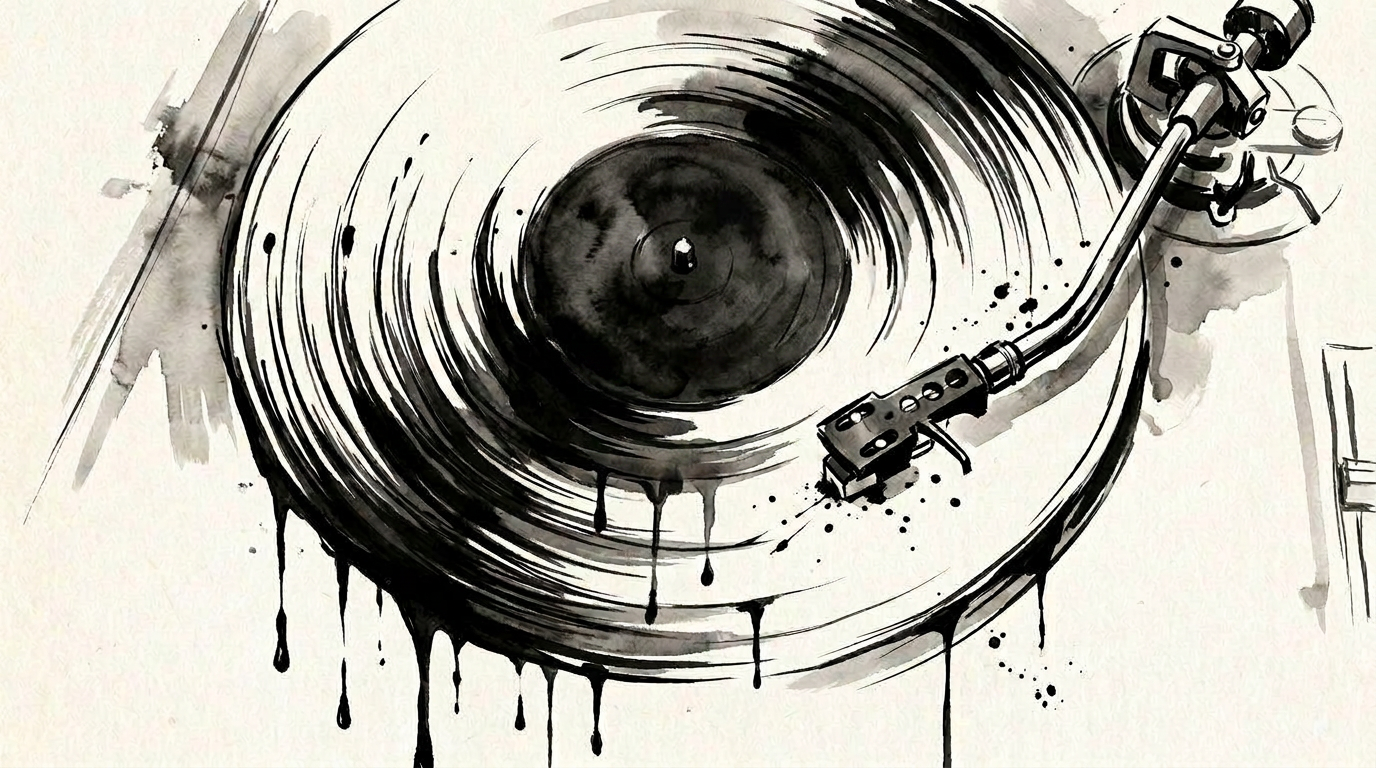
Reasonable Doubt isn’t just any album in his discography; it is the holy grail of independent hip-hop ownership. It stands as the only foundational piece of the original Roc-A-Fella catalog that wasn’t permanently swallowed by the major label machinery. More importantly, under federal copyright law, independent creators can file for copyright termination and reclaim their master recordings after 35 years—putting the landmark 2031 copyright reversion firmly on the horizon for Jay-Z.
When viewed through this time-sensitive, micro-level lens, securing an exclusive, high-yield manufacturing and retail distribution deal with an entity like Target isn’t a political statement on DEI rollbacks. It is a calculated asset strategy. Jay-Z is acting as a private strategist protecting an independent legacy asset for his day-ones—like his original partner Kareem “Biggs” Burke—and maximizing its value before the ownership clock resets.
The public is furious at him for failing to be a systemic savior, but he is simply executing the exact, uncompromised street-level business code he has rapped about since 1996. He never promised to be the community’s political ambassador; he promised to show how to secure the bag and maintain control of the masters. When the clock is ticking on a multi-million dollar independent asset, you maximize the play. At the end of the day, you simply can’t knock the hustle.
VI. Moment of Clarity
The ultimate resolution of this cycle doesn’t require us to defend or condemn a corporate transaction. Instead, it requires a collective Moment of Clarity.
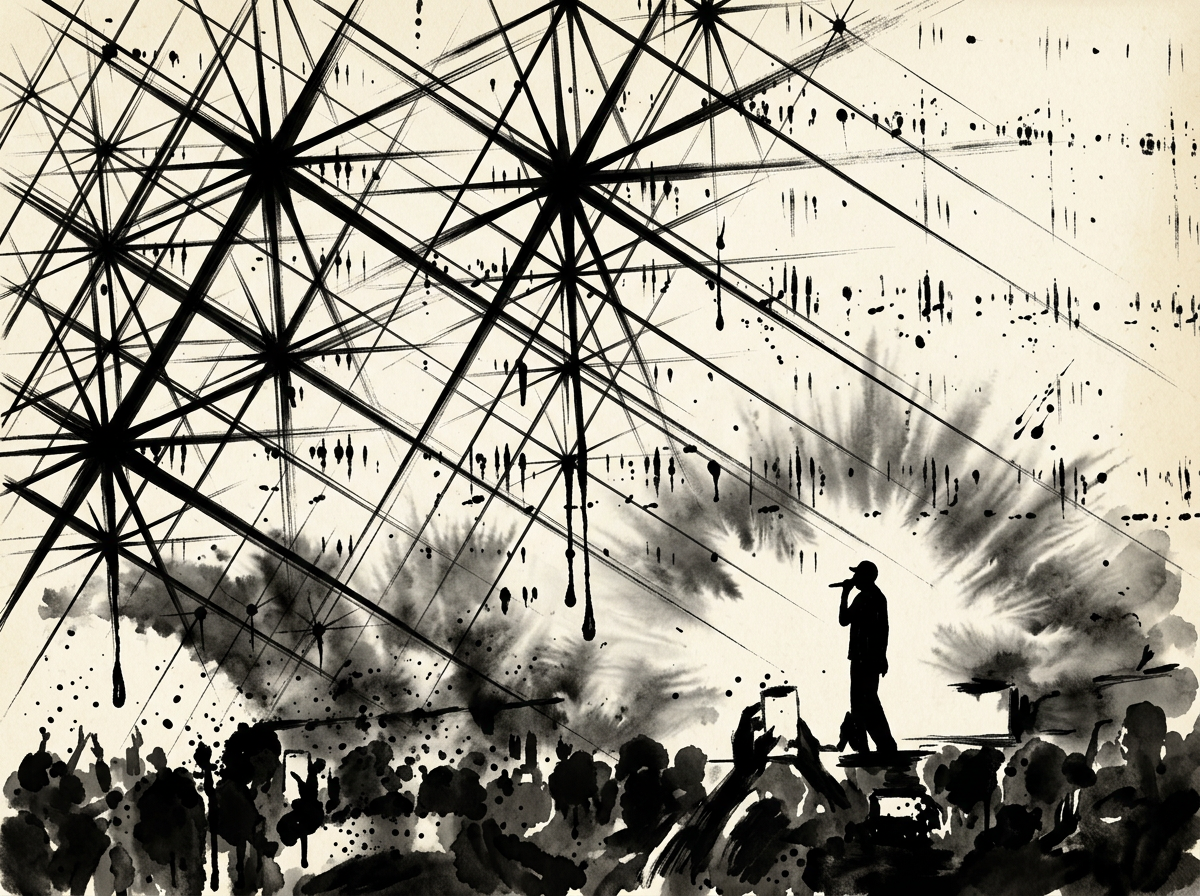
When we step back from the immediacy of the social media timeline, the fog of the Representative Burden clears. We are forced to realize a basic, structural truth: a corporate strategist is always going to execute a corporate strategy. Expecting an individual billionaire to act as the permanent moral custodian of our systemic battles is a design flaw in our own cultural critique. It causes chronic performance anxiety for creators and deep, cynical fatigue for the audience. The needle of expectation moves so fast that everyone burns out.
To “recover” from this loop, the culture must develop a healthier, clear-eyed relationship with celebrity enterprise. We must stop treating exclusive vinyl drops or corporate partnerships as proxy wars for systemic justice. Only by relieving individuals of this unassigned crown can we stop wasting our collective emotional bandwidth. True clarity allows us to lower the sword, drop the reactive outrage, and redirect our energy where it actually belongs: holding multi-billion-dollar institutions and their invisible C-suites directly accountable.
 Chanda V Haynes
 Chanda V Haynes