99 Problems but a Chip Ain't One

An open letter to Mitchell Robinson on mental health and prioritizing well-being over sports legacies.
MITCHELL ROBINSON
Center · New York Knicks
Born: 2000 · No. 23
7'0" · 240 lbs
Big Mitch,
How’s it going? You’re probably wondering why I am writing this the morning of Game 3 of the playoffs. We’re back in New York. Back at The Gardens. You probably have trainers surrounding you asking, ‘how’s the finger,’ ‘do we need to tape it for tonight’s game?” But I wanted to do my own pre-game checkin with you. How are you feeling? Most people I have to ask that questions multiple times before getting to the truth. But I believe you'll share on the first attempt.
Because I appear at the intersection of Knicks fans, sports fans, mental health professionals, and black people, I felt it was only right that I be the one to reach out to you.
A week or so ago, you shared with the world that you were deleting socials and focusing on your mental health, due to some recent struggles. Days before the biggest stage of any NBA player’s career, the FINALS, where many black men like yourself have showed up with clarity and confidence, you chose a different stage. The stage of vulnerability. The stage of I know big things are happening, but I am not okay. The stage of sharing and seeking support. It may not have been an explicit ask for help, but buried in an Instagram post, you asked. You asked for understanding as you disappear from the eyes of social media. You asked for privacy and personal space as you navigate your mental health struggles.
You mentioned that you were lost in the world. The way we all have felt at times, especially in current times. As someone who works with athletes and other professionals on performance anxiety, stress and exhaustion, this is a proud moment. Seeing an athlete say I am going to delete distractions to focus on the task at hand. In a time where we see many public figures share intimate details of their off-stage life for the sake of validation and procuring fan loyalty during rough times, you chose the opposite. You chose to not talk about what happened to your finger that night. And that is fine. Those with healthy boundaries respect it. That is your private off camera moment that doesn’t have to be shared with anyone, despite those speculating about the details.
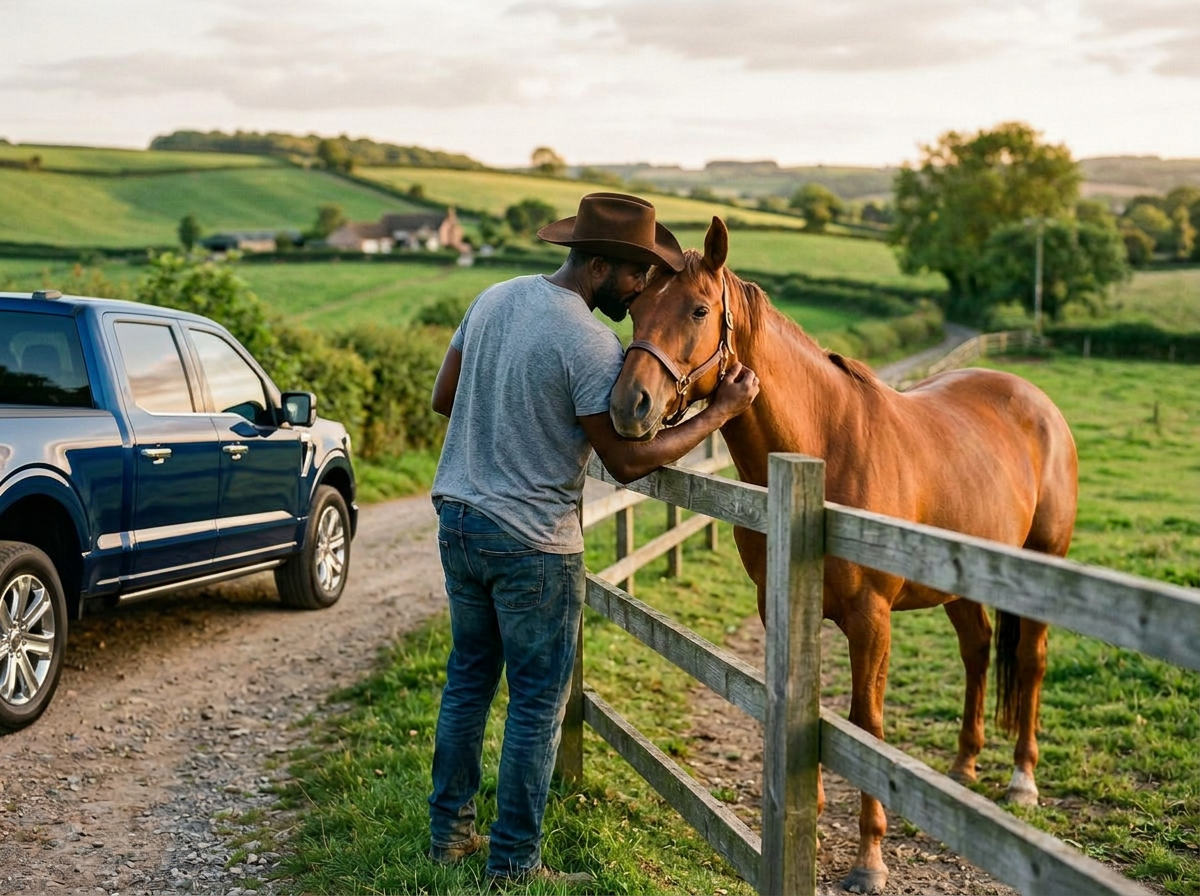
Instead you did what someone who has clearly worked through some past mental health struggles has done. You didn’t isolate. You didn’t hide. You didn’t say, “I’m okay,” or “I’ll be alright, let me push through,” the way so many of us were conditioned to do....You broke the mold. You broke the generational curse of men, black men, successful athletes, and public figures hiding their pain to get the job done. You also did something extraordinary. You didn’t say I need a break from basketball. Instead you said I need to focus on my mental health so I can be FIT for basketball. It wasn’t more practice, more running, more conditioning to prepare for the NBA Finals. It was more focus on what’s going on with me internally. You shifted towards less distractions, particularly socials.
A lot of times when people struggle, their go-to is to add more things to their plate. They assume the flaw is within them and how they’ve been operating. So go about seeking external coping mechanisms. 'Maybe I need to add yoga for my stress' or 'I'll start working out five days a week instead of two,' or 'maybe I need to get out of the house and socialize more.' But you, my guy, you did as Jay Z stated in Renegade, you "drove by the fork in the road and went straight." You said, ‘give me less.’ 'Let me take socials off my plate.' 'Let me take responding to texts and calls off my plate.' 'As a matter of fact, I'll get a new phone number to solidify that request.' Rarely do we see celebrities approach their own mental health with such vigilance and care.
We all remember the 1997 NBA Finals when the legendary Michael Jordan, in what became known as “the flu game,” was dehydrated, visibly exhausted and reportedly in extreme pain. He pushed through a fever and suspected food poisoning, dominating for 44 points, including the final shot that would put them ahead in the Finals 3-2. We can’t forget the image of him leaning on his wingman, Scottie Pippen at the buzzer, unable to walk himself to the locker room.
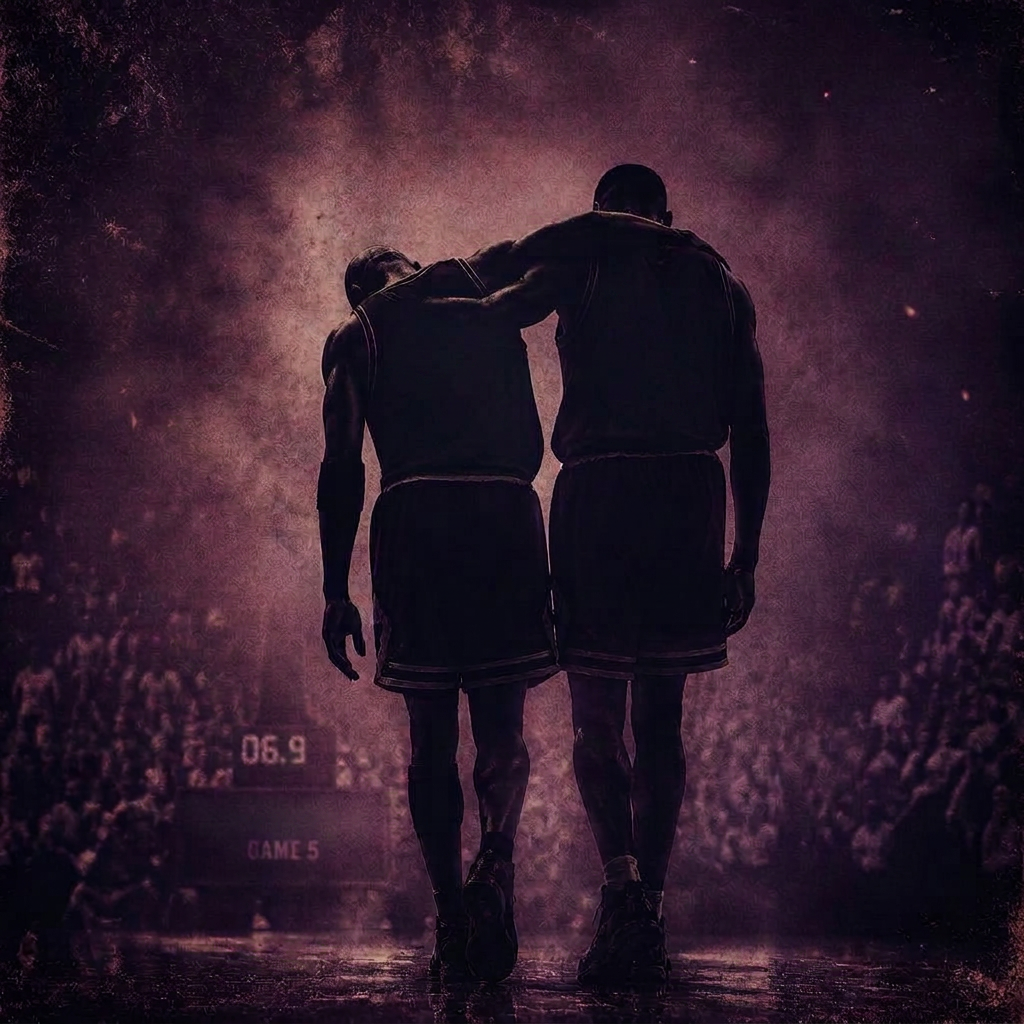
Mitch just know that you are not Michael Jordan. And I say that with the utmost respect and the utmost fandom. I know you are a basketball superstar that also sports the number 23 on your jersey. But, you. You are Mitchell "Big Mitch" Robinson. A big guy with a big heart and big feelings, who doesn't mind the world seeing them. The guy that took his grieving coach into his home following the loss of his wife. Lobinson, the NBA Finalist. Soon to be NBA Champion. And when that time comes, you can also say I am not Michael Jordan. 'I did not risk my well being for a ring.' 'I took the time to tend to my wounds before entering the stage.' 'I took the time for self care.'
Mitchell, what you did separated the man from the athlete. You understood that both needed time, space and care. Mitchell the man needed to limit distractions and focus on his mental health. Mitch the athlete knew he couldn’t be present and effective for the biggest stage of his career, possibly his life, if Mitchell the man wasn’t okay.
You are already a champion.